Skye Marshall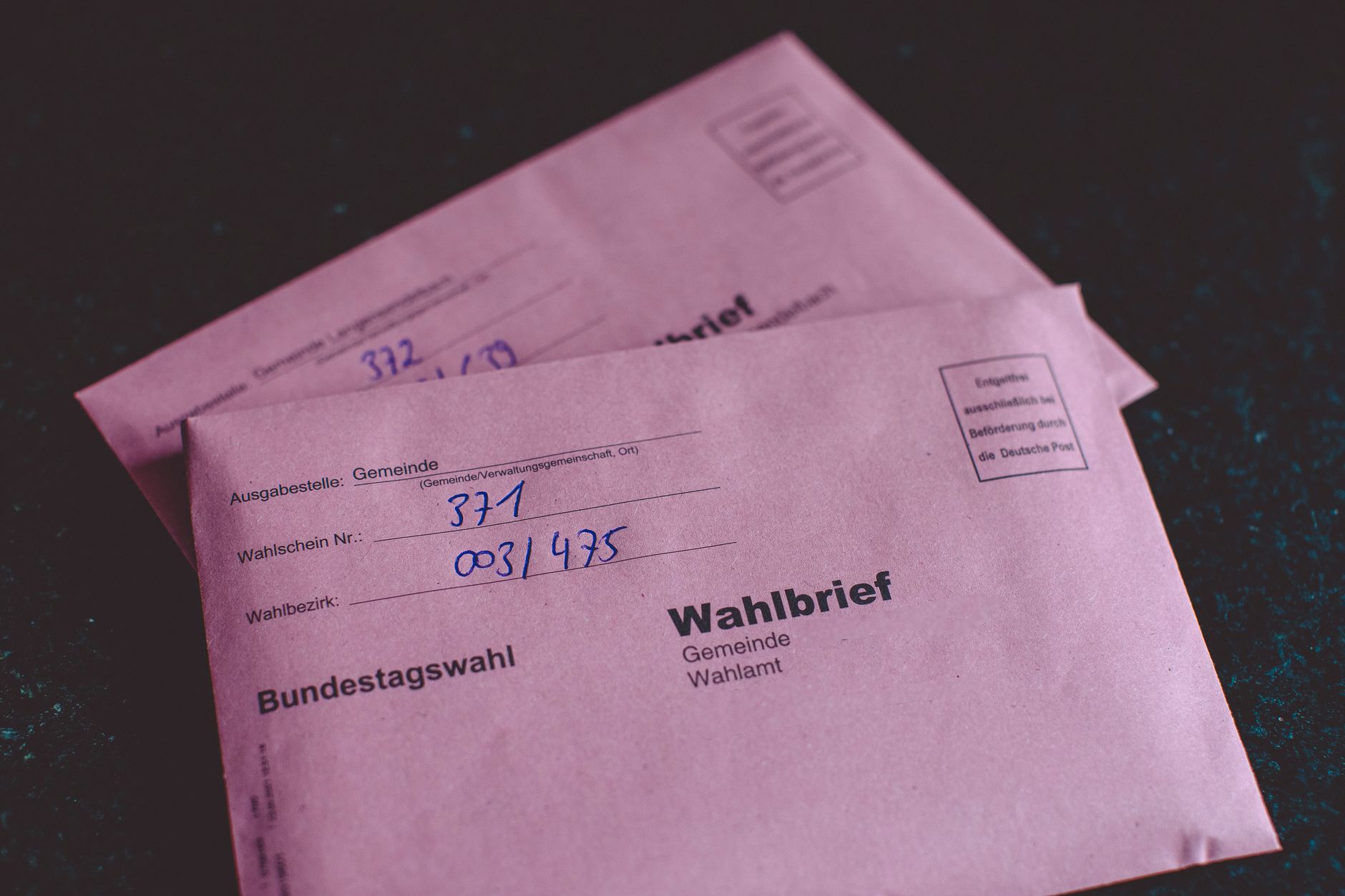
The German chancellor election results reveal a surprising triumph for the AfD, prompting questions about the future of governance in Germany.
Overview of the German chancellor election
The recent German chancellor election has sparked intense debate among political analysts and citizens alike. As the political landscape in Germany shifts, the implications of the election results are becoming increasingly evident.
The rise of the Alternative for Germany (AfD) in various state elections has raised concerns among traditional parties, particularly regarding their ability to maintain power and influence. This electoral success has been characterized by:
- Increased support for far-right policies, which many believe threaten the democratic fabric of the nation.
- Polarization of the electorate, leading to a divided society where consensus seems harder to achieve.
- Challenges for the current chancellor, who vows to remain in office amid rising discontent and competition from the AfD.
As the nation grapples with these developments, the question remains: Is this the worst outcome for Germany in its quest for stability and unity?
Impact of AfD’s success
The recent success of the Alternative for Germany (AfD) party in the state elections has raised significant concerns regarding the future of German politics. Analysts warn that their growing influence could lead to the normalization of far-right ideologies within mainstream discourse. This shift poses a challenge to the traditional parties, as they struggle to respond effectively to the electorate’s changing sentiments.
Many fear that the AfD’s ascent may undermine the democratic values that Germany has staunchly upheld since World War II. The German chancellor election could become a battleground for these contrasting ideologies, with the AfD leveraging its electoral gains to further its agenda.
The implications are profound:
- Polarization: Increased division among voters, leading to a fragmented political landscape.
- Policy Shifts: Potential changes in social and immigration policies, influenced by AfD’s rhetoric.
- International Relations: Strain on Germany’s reputation abroad, affecting diplomatic ties.
As the nation prepares for the upcoming German chancellor election, the stakes have never been higher.
Public reaction to election results
Public reaction to the recent German chancellor election results has been mixed, with many expressing concern over the rise of the Alternative for Germany (AfD) party. The party’s success has sparked debates about the future of Germany’s political landscape.
Many citizens have taken to social media to voice their opinions. Key sentiments include:
- Disappointment: Numerous voters feel let down by traditional parties, citing a lack of effective solutions to pressing issues.
- Fear: Some individuals worry that the AfD’s influence could lead to a more polarized society and undermine democratic values.
- Hope for change: Conversely, a segment of the population believes that this outcome might prompt existing parties to reevaluate their strategies and priorities.
As the new political landscape unfolds, many are questioning whether this election marks the beginning of a troubling era for Germany or an opportunity for reform. The chancellor remains committed to leading, despite the challenges ahead.
Future of Germany’s political landscape
The recent German chancellor election has significantly altered the political landscape of Germany. With the rise of the Alternative for Germany (AfD) party, traditional political alliances are being tested. Many political analysts suggest that the outcomes reflect a growing discontent among voters, leading to a demand for change.
As the chancellor vows to remain in office, questions arise about the future direction of the country. The implications of the election results may lead to:
- Shifts in policy priorities: The chancellor may need to negotiate with other parties to maintain a functioning government.
- An increase in far-right influence: The AfD’s success could embolden similar movements across Europe.
- Potential fragmentation: The traditional party system might face further challenges, impacting governance.
As Germany navigates this new political terrain, the outcomes of the German chancellor election will undoubtedly shape the nation’s future.
Chancellor’s response to AfD
The recent German chancellor election has sparked significant discussions regarding the rise of the Alternative for Germany (AfD) party. In response to their triumph in the state election, the Chancellor has emphasized commitment to her position and the democratic process. She stated that while the results reflect a shift in public sentiment, it is essential to address the concerns of all citizens.
The Chancellor’s remarks included a strong condemnation of the AfD’s divisive rhetoric, underscoring the importance of unity in facing the challenges ahead. She expressed her intention to engage with voters who may feel disillusioned by traditional parties, aiming to bridge the gap and restore trust in the political system.
Political analysts suggest that the Chancellor’s response could be pivotal in shaping the future of Germany’s political landscape. As she navigates this tumultuous period, the implications of the German chancellor election on the broader socio-political climate will continue to unfold.
Comparative analysis with previous elections
In comparing the current German chancellor election with previous electoral cycles, notable trends reveal a shift in voter sentiment. Historically, elections have often favored established parties, but recent results indicate a growing discontent with the traditional political landscape.
Key points of comparison include:
- Voter Turnout: The turnout in the recent election was significantly higher than in past years, suggesting increased public engagement.
- Rise of Alternative Parties: The success of the AfD marks a stark contrast to previous elections, where far-right parties struggled to gain traction.
- Coalition Dynamics: Previous elections often resulted in clear majorities; however, this election may lead to complex coalition negotiations, reflecting a fragmented political environment.
The implications of this chancellor election could be profound, impacting Germany’s role in the EU and its domestic policies. As analysts assess the outcomes, questions arise about the long-term viability of traditional parties in the face of changing voter preferences.
Photo by Markus Spiske on Pexels