Skye Marshall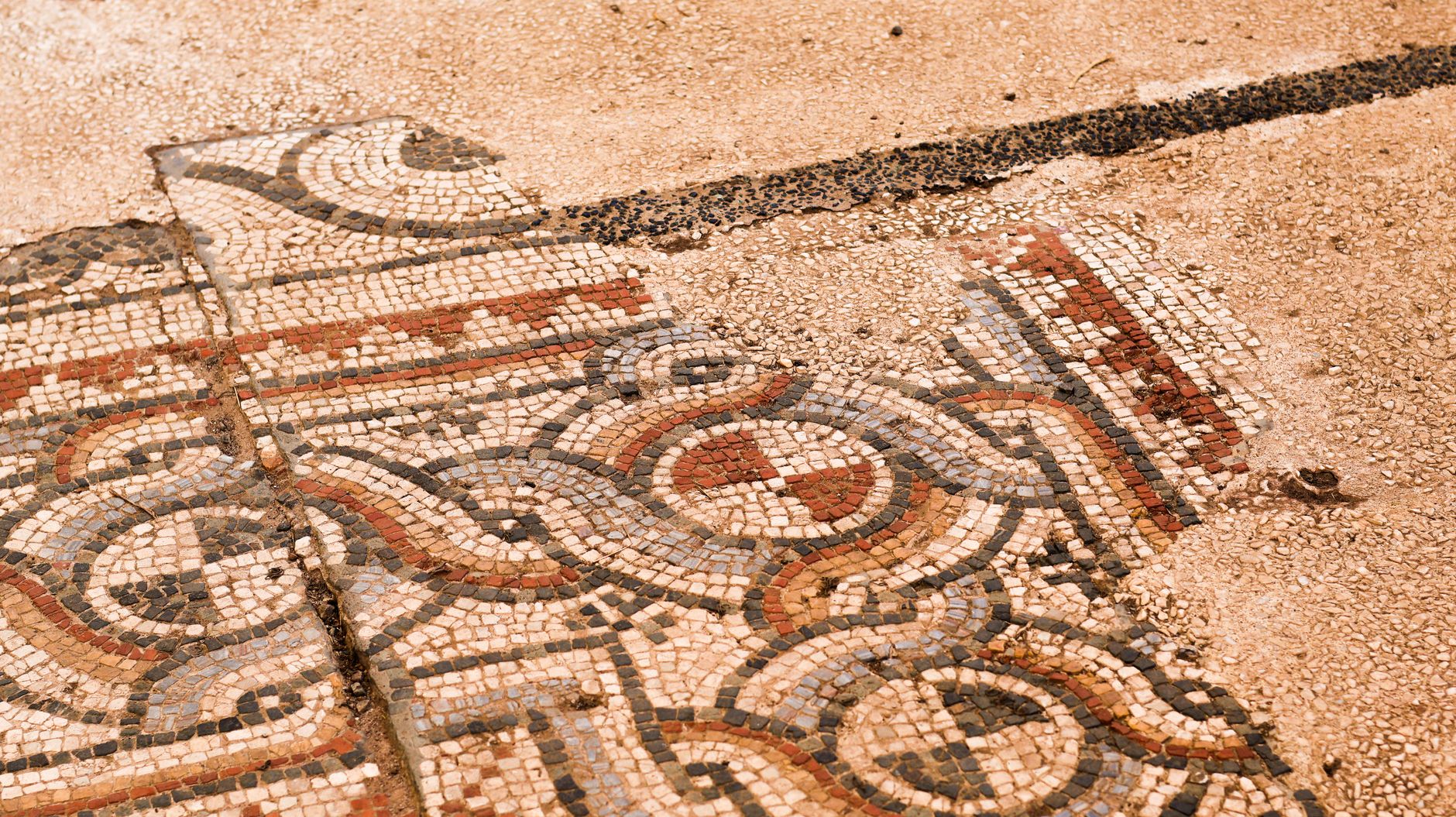
The Roman-era mosaic discovery in Turkey features a captivating portrayal of a cat and dog. This stunning find highlights the artistic prowess of ancient civilizations and their connection to animals.
Significance of the Mosaic
The recent discovery of a Roman-era mosaic in Turkey has captivated the archaeological community and the public alike. This stunning mosaic, featuring two beloved pets named ‘Emerald’ the cat and ‘Ocean’ the dog, offers a remarkable glimpse into the daily life and cultural practices of the Roman Empire.
The significance of the mosaic lies not only in its artistic beauty but also in what it reveals about human-animal relationships during the Roman era. The detailed depictions of the animals suggest that pets were cherished companions, much like they are today. This challenges the perception of ancient societies, showcasing a tender side of Roman life.
Moreover, the mosaic serves as an important artifact for understanding trade and craftsmanship in the region. The intricate techniques used in its creation reflect the high level of artistry that was prevalent during the period.
- The use of vibrant colors and intricate designs indicates advanced mosaic-making skills.
- It highlights the significance of animals in Roman households, shedding light on social customs.
- This discovery could lead to further research on the role of pets in ancient civilizations.
As excavations continue, the Roman-era mosaic discovery promises to unveil more about the fascinating dynamics of life in ancient Rome.
Historical Context of Roman Art
The discovery of the Roman-era mosaic featuring ‘Emerald’ the cat and ‘Ocean’ the dog offers a fascinating glimpse into the artistic practices and cultural values of the time. Roman art, particularly in the realm of mosaics, was characterized by intricate designs and vibrant colors that reflected both daily life and mythical themes.
During the Roman Empire, mosaics were a popular medium for decorating floors and walls in public and private spaces. They often depicted various subjects, including nature, mythology, and domestic animals, serving both aesthetic and symbolic purposes. The use of animals in mosaics, such as the beloved pets seen in this recent discovery, underscores the significance Romans placed on companionship.
Moreover, the craftsmanship involved in creating these mosaics involved meticulous planning and execution. Artisans would use small pieces of colored stones, glass, or ceramics, known as tesserae, to create detailed images. This labor-intensive process showcased not only the skill of the artists but also the resources available to them.
- Innovative Techniques: Romans used advanced techniques to enhance the visual effects of their mosaics.
- Cultural Significance: Mosaics often conveyed messages about status and identity.
- Historical Legacy: Many mosaics have survived, providing insight into Roman-era life.
The recent Roman-era mosaic discovery adds another layer to our understanding of this rich historical context.
Details of the Discovery Site
Archaeologists recently unearthed a stunning Roman-era mosaic in Turkey, showcasing a captivating depiction of a cat named ‘Emerald’ and a dog called ‘Ocean.’ The discovery site, located in the ancient city of Zeugma, has been a hotspot for archaeological research due to its rich Roman history and vibrant artistic expressions.
The mosaic, believed to date back to the 2nd century AD, was found in a villa that once belonged to a wealthy Roman family. This site, known for its intricate floor designs, has yielded other significant finds in the past, including numerous mosaics and frescoes that highlight the exceptional craftsmanship of the period.
Excavations at the site revealed that the mosaic was remarkably well-preserved, offering insights into the daily life and artistic styles of the Romans. The vibrant colors and detailed representations of the animals suggest a high level of skill and artistry, which is characteristic of Roman-era mosaics.
Researchers are particularly excited about this mosaic discovery, as it not only enhances our understanding of Roman art but also contributes to the broader narrative of domestic life in antiquity. As excavations continue, archaeologists hope to uncover more artifacts that shed light on the culture and lifestyle of the people who once inhabited this remarkable city.
Artist Techniques Used
The recent discovery of a Roman-era mosaic has unveiled not only stunning artwork but also the intricate techniques employed by ancient artists. This mosaic, portraying a cat named ‘Emerald’ and a dog named ‘Ocean’, showcases a mastery of craftsmanship that is characteristic of Roman art.
One of the primary techniques used by the artists was the meticulous arrangement of tesserae, small pieces of colored glass, stone, or ceramic. These tesserae were carefully selected and placed to create vibrant images that bring the subjects to life. Contrast and shading were skillfully applied, allowing the artists to achieve depth and realism in the depiction of the animals.
Additionally, the use of geometry and symmetry played a critical role in the overall composition of the mosaic. The artists employed precise measurements to ensure that the figures were balanced and harmonious, a hallmark of Roman-era artistry. The attention to detail in the fur of ‘Emerald’ and the expressive features of ‘Ocean’ highlights the artists’ commitment to realism and storytelling.
This blend of techniques not only reflects the technical prowess of Roman artists but also enhances the significance of the mosaic discovery, offering a glimpse into the cultural values and aesthetics of the time.
Public Reaction to the Find
The recent discovery of a Roman-era mosaic featuring the striking images of a cat named ‘Emerald’ and a dog named ‘Ocean’ has sparked considerable public interest and excitement. Archaeologists uncovered this stunning work while excavating in Turkey, leading to a wave of reactions from both locals and art enthusiasts.
Many residents of the nearby towns have expressed pride in the find, viewing it as a testament to their rich cultural heritage. Maria Yilmaz, a local historian, stated, “This Roman-era mosaic discovery not only showcases the artistry of the time but also connects us to our ancestors.”
Social media platforms have been flooded with images and discussions surrounding the mosaic. Users are sharing their interpretations of the artwork, and many have even created memes featuring ‘Emerald’ and ‘Ocean’. “I never thought a mosaic could be so adorable!” commented one user, highlighting the unique charm of the mosaic.
Art lovers worldwide are also taking notice, with online forums buzzing about the implications of the find on Roman art studies. The mosaic’s intricate details have captivated scholars and casual observers alike, further fueling interest in Roman-era artistry and its enduring influence on modern culture.
This discovery not only enhances our understanding of Roman art but also bridges the gap between ancient and contemporary perspectives on animal companionship.
Future of Archaeological Research
The recent Roman-era mosaic discovery has not only captivated the public’s imagination but has also opened new avenues for archaeological research. As scholars and archaeologists examine the intricate details of the mosaic, they anticipate that further studies will shed light on the artistic techniques and cultural significance of similar artworks from this period.
Experts believe that this find could lead to a reevaluation of previous assumptions about Roman artistic practices and daily life. The presence of both a cat and a dog in the mosaic suggests a rich narrative that intertwines human and animal relationships in ancient times.
Moreover, the discovery site in Turkey is expected to yield further artifacts, prompting archaeologists to refine their excavation techniques. This will result in a more comprehensive understanding of the area’s historical context.
Future research may also focus on the materials used in the mosaic’s creation, which could enhance our knowledge of trade routes and cultural exchanges in the region during the Roman era. As excavation continues, the implications of this stunning find extend beyond mere aesthetics, influencing the broader field of archaeology.
In conclusion, the Roman-era mosaic discovery represents not just a remarkable piece of art, but a pivotal moment for future archaeological exploration.
Preservation Efforts for Artifacts
The recent discovery of the stunning Roman-era mosaic has not only captivated the public but also raised concerns about the preservation of such invaluable artifacts. Experts emphasize the importance of immediate and effective preservation efforts to ensure the longevity of the mosaic, which features the charming figures of ‘Emerald’ the cat and ‘Ocean’ the dog.
To combat potential deterioration, the archaeological team is implementing several key strategies:
- Climate Control: Maintaining a stable environment with controlled temperature and humidity levels is essential to prevent damage from fluctuations.
- Protective Coverings: The mosaic will be shielded with transparent materials to guard against physical harm while allowing for public viewing.
- Regular Monitoring: Periodic assessments will be conducted to check for signs of wear or environmental impacts, ensuring timely interventions.
- Public Awareness Campaigns: Educating the community about the significance of the Roman-era mosaic discovery is crucial for fostering a collective sense of responsibility for preservation.
As the archaeological community rallies around this remarkable find, there is a shared commitment to safeguarding not just the mosaic itself but also the cultural heritage it represents. These preservation efforts aim to protect the artistry and historical value for future generations to appreciate and learn from.
The recent Roman-era mosaic discovery has captivated historians and animal lovers alike. This stunning cat and dog revealed in the artwork showcases the artistry and cultural significance of pets in ancient Roman society.
Photo by Rumeysa Sürücüoğlu on Pexels
Where this came from
You might also like
AIAPGET 2026 answer key: Quick Guide to Objection Process · How to Evaluate a 1xbet Mirror Link for Safer Alternative Access · Building a Quality Control Checklist for Overseas Suppliers