Skye Marshall
The Growing Importance of Modular Firearm Design
Modular engineering has become an important consideration across many equipment categories, encouraging manufacturers to develop products around defined interfaces, component integration, and measurable specifications. A universal pistol chassis represents an area of interest within this broader design approach, particularly for consumers researching firearm configurations and specialized accessories. Evaluating this category through a statistical lens brings attention to dimensions, material properties, weight, compatibility, and documented product features. These measurable factors provide a practical foundation for understanding design choices and assessing how a product aligns with its stated purpose.
Understanding Chassis-Based Product Architecture
A chassis-based design provides a structural framework around which designated components may be organized. Its overall characteristics depend on the manufacturer’s engineering approach, intended application, and supported configuration.
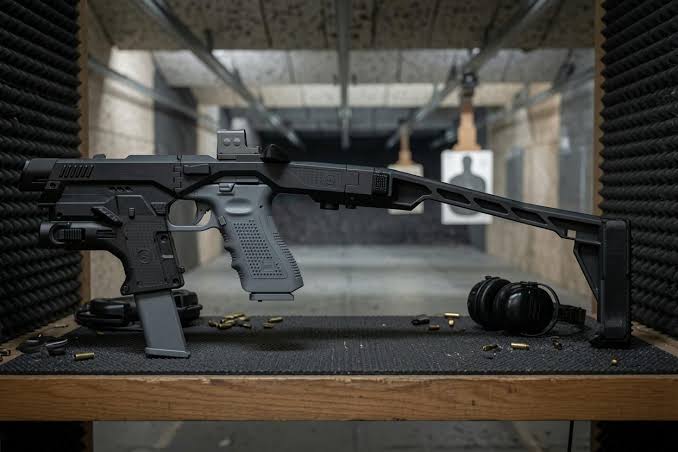
The MX1 conversion kit featured by Meta Tactical offers a specific product example for examining this category. Product research begins with understanding the listed design, identifying the intended firearm models, and reviewing the manufacturer’s documented specifications.
A structured assessment separates general design concepts from confirmed product characteristics. This distinction allows readers to evaluate available information accurately without assuming that every chassis supports every pistol or configuration.
Key Measurements That Shape Product Evaluation
Quantitative specifications make technical product information easier to compare. Several measurements can help establish a useful profile of a chassis-based accessory, depending on which details the manufacturer publishes.
- Overall dimensions: Describe the physical size and external proportions of the product.Product weight: Provides a measurable indication of its mass.Material specifications: Identify the documented materials used in construction.Component information: Clarifies which items are included in the listed package.Compatibility details: Identify the supported firearm models and configurations.
- Overall dimensions: Describe the physical size and external proportions of the product.
- Product weight: Provides a measurable indication of its mass.
- Material specifications: Identify the documented materials used in construction.
- Component information: Clarifies which items are included in the listed package.
- Compatibility details: Identify the supported firearm models and configurations.
Collecting these figures in a consistent format improves readability and supports meaningful comparisons. Measurements should retain their stated units, and conversions should be performed consistently. Unpublished figures should remain unconfirmed rather than being estimated.
Material Selection and Structural Engineering
Material selection is a significant factor in the design of engineered accessories. Properties such as strength, rigidity, corrosion resistance, and density can influence how a material performs in its intended application.
However, material names alone do not establish the complete quality of a finished product. Manufacturing processes, surface treatments, component geometry, and quality-control practices also contribute to the final specification profile.
A professional assessment therefore prioritizes manufacturer-confirmed material information and available technical documentation. This approach creates a more balanced understanding of construction without relying on unsupported performance claims.
Compatibility as a Measurable Design Requirement
Compatibility is an essential consideration when reviewing a chassis or conversion accessory. Products may have specific requirements related to firearm models, generations, dimensions, and configurations.
The term universal should not automatically be interpreted as meaning that a product works with every pistol. Actual compatibility depends on the manufacturer’s stated requirements and the specific configuration being evaluated.
For the MX1 conversion kit, reviewing the current product documentation helps clarify the supported models and listed limitations. Accurate identification reduces uncertainty and gives prospective buyers a consistent basis for assessing the product.
Statistical Methods for Comparing Chassis Products
A data-focused evaluation benefits from a standardized comparison framework. Recording the same specification categories for each product makes similarities and differences easier to identify.
For example, a comparison sheet can include published dimensions, weight, materials, package contents, supported models, and available documentation. Each entry should be supported by an identifiable product specification.
This method also highlights information gaps. If one listing provides detailed measurements while another omits them, the difference in available documentation should be recorded rather than treated as proof of superior or inferior quality.
Consistent data collection supports clearer product research and helps readers develop conclusions based on verifiable information.
The Value of Clear Product Documentation
Well-organized documentation connects technical design with practical product evaluation. Clear descriptions help consumers understand the intended application, identify relevant specifications, and determine which details require further confirmation.
Manufacturer instructions, compatibility statements, and accurate component descriptions all contribute to a transparent purchasing process. Responsible ownership and compliance with applicable laws remain important considerations throughout product selection and use.
Conclusion: A Data-Led Perspective on Universal Pistol Chassis Design
Evaluating a universal pistol chassis requires attention to measurable dimensions, structural materials, compatibility requirements, and verified product information. These factors provide a reliable framework for understanding chassis-based engineering and distinguishing documented features from general assumptions.
By applying consistent comparison methods and reviewing manufacturer specifications carefully, readers can build a clearer picture of products such as the MX1 conversion kit. A professional, statistics-oriented approach encourages informed decisions, accurate expectations, and responsible consideration of specialized firearm accessories.
Bottom of Form