 Skye Marshall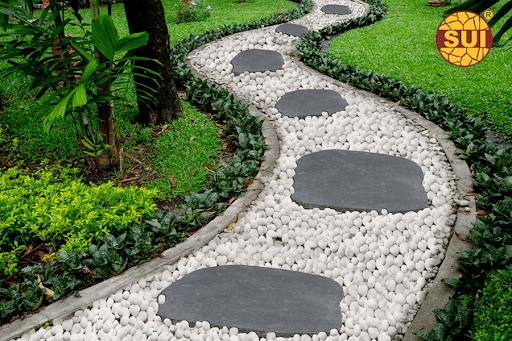
A beautiful outdoor space is built step by step and sometimes the smallest elements make the biggest difference. One simple but powerful feature in natural stone landscapes is the use of stepping stones. These stones guide movement, create structure and bring charm to gardens and pathways. Designers use them to connect spaces in a gentle natural way that feels relaxing and inviting.
Stepping stones become even more meaningful when they fit into a complete landscape plan that includes plants, gravel pathways, stone borders and other natural materials. With the right approach garden stepping stones help bring harmony to the entire outdoor design.
- Stepping stones help people move safely through the garden.
- Natural stones add beauty without taking over the space.
- Simple stone paths make gardens feel calm and well connected.
These ideas show why stepping stones play an important role in outdoor design.
Why Stepping Stones Are Important in Natural Stone Landscapes
Stepping stones help bring order and flow to a garden. They give people a clear path while keeping the space open and natural. Designers choose stones that match the colors and textures of the landscape so everything feels balanced. Because stones come in different shapes and sizes stepping stone paths can fit many garden styles from simple layouts to creative natural patterns.
Understanding their importance helps prepare us to see how stepping stones guide movement through a garden.
Clear Direction
- Stepping stones show where to walk without signs.
- They gently guide visitors through the space.
- Paths feel natural and easy to follow.
Natural Look
- Stepping stones blend with grass soil and plants.
- Their colors match the outdoor environment.
- This keeps the garden feeling peaceful.
Soft Structure
- Stones add form without feeling strict.
- They make garden paths look thoughtful.
- The structure is simple and not overwhelming.
Highlights Garden Features
- Stones lead the eye toward important spots.
- They draw attention to plants and seating areas.
- The garden feels more organized.
Easy to Fit Into Any Design
- Many shapes allow flexible layouts.
- They work with modern rustic or classic gardens.
- Designers can be creative with their placement.
Clear purpose leads us to how stepping stones help guide movement through the landscape.
How Stepping Stones Guide Movement Through Outdoor Spaces
Stepping stones act like gentle markers that show the way through a garden. They help shape how people move so that the journey feels enjoyable and safe. This movement also helps connect different areas like patios, lawns, seating corners and plant beds. When placed with care stepping stones create a smooth flow that ties the landscape together.
Understanding movement brings us into the next section about blending stones with other materials.
Connects Different Areas
- Stones link patios to garden paths.
- They help people enter different spaces easily.
- The garden feels like one connected place.
Encourages Slow and Relaxed Walking
- Stepping stones make people walk at a gentle pace.
- This helps them enjoy the garden more.
- Slow steps create a calm outdoor experience.
Avoids Wear on Grass
- Stones give a clear place to walk.
- Grass stays neat around them.
- This helps maintain the garden’s beauty.
Soft Path Shapes
- Designers can create curves or straight lines.
- Curves feel natural and peaceful.
- Straight lines feel clean and simple.
Natural Flow
- Skillful placement helps movement feel smooth.
- Visitors follow the stones without thinking.
- The garden journey feels balanced.
Good flow helps stepping stones blend nicely with other landscape materials.
Combining Stepping Stones With Other Natural Materials
A complete landscape design uses many materials together such as pebbles, flagstone stone pavers or gravel. Stepping stones work well with all of these by serving as a connecting point. The stones can be placed in gravel beds or surrounded by grass or paired with mulch to create balanced textures. When combined correctly garden stepping stones help make the entire space feel unified.
Good combinations lead to thoughtful design patterns which we explore next.
Pebbles Around Stones
- Pebbles fill gaps between stepping stones.
- They add texture and gentle detail.
- Pebbles make the design look neat.
Stone Borders for Paths
- Borders help frame the stepping stone path.
- They make the layout look complete.
- Borders add structure without feeling heavy.
Mixing With Bigger Stones
- Large stones add strong visual anchors.
- They balance the smaller stepping stones.
- The mix creates visual depth.
Blending With Plants
- Plants beside stones create a natural edge.
- Leaves soften the look of the path.
- The mix feels fresh and inviting.
Coordinating With Outdoor Features
- Stones match walls, steps and patios.
- Shared textures keep the space unified.
- The garden feels like one design.
Material blending leads us to how stepping stones support the style and theme of the landscaping plan.
Creating a Style Theme Using Stepping Stones
Stepping stones help set the tone for the entire garden. Their shape, color and spacing decide whether the garden feels modern, natural rustic or playful. They also help support the main idea of the landscape design by staying simple or becoming a central feature. When designers choose stepping stones carefully the garden theme becomes clear and enjoyable.
A strong theme leads us toward thoughtful placement tips which help complete the landscape.
Modern Clean Look
- Straight stones arranged neatly create modern style.
- Smooth textures work well for modern designs.
- Light colors add brightness.
Rustic Natural Look
- Uneven stones feel organic and earthy.
- Natural textures blend with plants easily.
- Earth tones support rustic charm.
Creative Garden Designs
- Unique shapes create fun patterns.
- Mixed placements feel artistic.
- Creative lines add personality.
Simple Minimalist Style
- Even spacing supports a clean look.
- Neutral colors keep the garden calm.
- Simple shapes make the space feel open.
Blending With Traditional Landscapes
- Classic stone shapes match older homes.
- Darker tones bring timeless beauty.
- Traditional designs feel neat and elegant.
Once the style is set the final step is placing stones wisely for the best results.
Placement Tips for Stepping Stones in a Complete Landscape Plan
Stepping stones work best when they are placed with care. Their spacing size and angle affect how people walk and how the garden looks. Stones that are too close or too far apart can make walking uncomfortable. Good placement helps create a smooth, safe and attractive path. These details make garden stepping stones an important part of any natural stone plan.
Proper placement ties together all earlier ideas and leads naturally into our final thoughts.
Comfortable Spacing
- Stones should match walking stride.
- Proper spacing makes walking easy.
- Visitors enjoy the path more.
Straight or Curved Paths
- Straight paths look neat and formal.
- Curved paths feel gentle and natural.
- Both styles work if planned carefully.
Stable Grounding
- Stones should sit firmly on the ground.
- This makes the path safe.
- Firm placement keeps the design tidy.
Balanced Stone Sizes
- Stones should match the size of the space.
- Large stones anchor wide paths.
- Smaller stones work for tight corners.
Aligning With Garden Features
- Stones should point toward key areas.
- They help guide visitors to focal points.
- This creates a meaningful journey.
Final Thoughts
Stepping stones play an important role in natural stone landscaping by shaping movement connecting spaces and creating a calm outdoor flow. With the right design choices stepping stones and garden stepping stones make paths, patios and planting areas feel well planned and beautiful. Stone Universe Inc. offers a premium range of natural stone products to help create landscapes that are stylish, balanced and welcoming.


