Skye Marshall
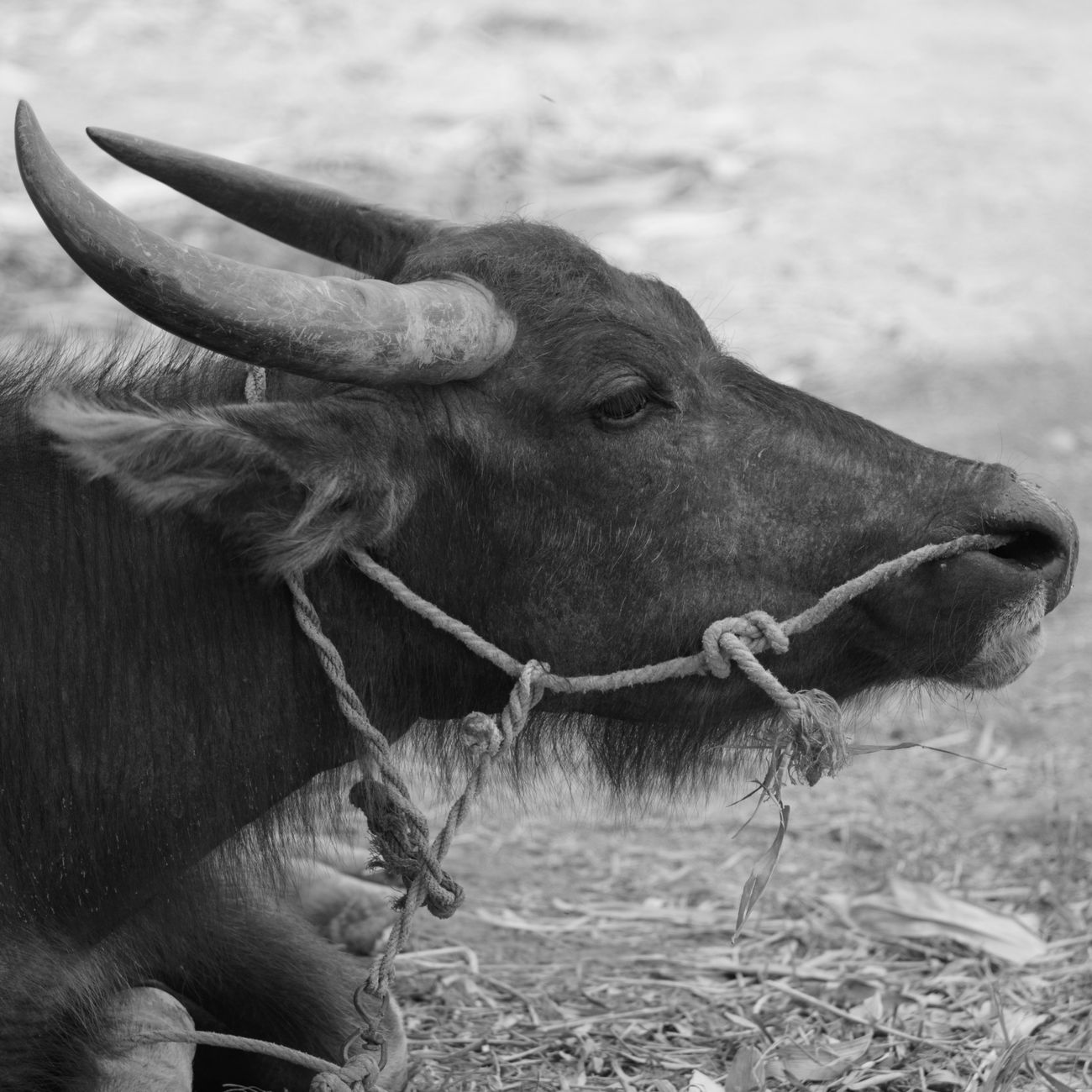
Cultural traditions help communities maintain connections with their history, shared values, and agricultural heritage. In southern Thailand, cattle ownership and traditional gatherings have become meaningful parts of life in certain rural areas. วัวชนแดนใต้.net traditions reflect these connections, bringing attention to local customs, livestock knowledge, and community relationships. Preserving such heritage requires thoughtful practices that respect both cultural identity and animal welfare.
Why Is Local Culture Important to Rural Communities?
Local culture provides a sense of belonging and helps connect different generations. Traditional gatherings allow families, farmers, and community members to share experiences, celebrate regional customs, and maintain social relationships.
Cattle-related traditions can also reflect the historical importance of livestock in agricultural communities. Farmers have developed practical knowledge about feeding, breeding, animal health, and livestock management through years of experience. Sharing this knowledge helps younger generations understand their agricultural background and community responsibilities.
How Can Traditions Be Preserved Responsibly?
Preserving cultural practices does not require continuing every historical activity without change. Communities can maintain their identity through educational exhibitions, traditional storytelling, livestock displays, and non-harmful demonstrations.
Local organizers can involve experienced farmers and younger residents in planning cultural gatherings. These activities create opportunities to discuss regional history while encouraging responsible attitudes toward animals. Clear community guidelines can also help ensure that events remain respectful and organized.
Why Should Animal Welfare Be a Priority?
Cattle depend on owners for proper nutrition, shelter, healthcare, and protection from unnecessary stress. They need clean drinking water, balanced feed, comfortable resting areas, and enough space to move naturally.
Regular veterinary examinations help identify injuries, illnesses, and other health concerns. Owners should use gentle handling methods and avoid overcrowding or rough treatment. Activities that deliberately frighten, injure, or exhaust animals should never be considered acceptable forms of cultural preservation.
What Role Do Farmers and Communities Play?
Farmers possess valuable knowledge about local livestock and agricultural conditions. Their experience can help communities understand traditional cattle management while introducing improved healthcare and welfare practices.
Families can support preservation by teaching younger members about responsible animal ownership. Community organizers can arrange discussions about veterinary care, safe transportation, suitable housing, and environmental management. Cooperation makes cultural activities more meaningful and sustainable.
How Can Responsible Practices Support Future Generations?
Cultural preservation becomes stronger when traditions adapt to changing knowledge and social expectations. Communities can document local stories, support agricultural education, and encourage participation in activities that respect animals.
Combining traditional experience with modern welfare standards creates a balanced approach to heritage preservation. Southern cattle traditions can continue to hold cultural significance when communities prioritize education, cooperation, and compassionate livestock management. Respecting local identity while protecting animal well-being ensures that agricultural heritage remains valuable for future generations.
The Short Version
- Cultural traditions in southern Thailand emphasize the importance of cattle ownership and community gatherings in rural life.
- Preserving cultural heritage requires careful practices that respect cultural identity and prioritize animal welfare.
- Farmers in these communities have developed extensive knowledge about livestock management, which is crucial for educating younger generations.
- Responsible preservation of cultural practices can include educational exhibitions, livestock displays, and community involvement in planning events.
- Animal welfare is critical, necessitating proper nutrition, healthcare, and gentle handling methods from cattle owners.
- Combining traditional knowledge with modern welfare standards can help maintain the cultural significance of southern cattle traditions for future generations.